Discover Indian harvest festivals in January, their rituals, food, history, and how different states celebrate these vibrant cultural traditions
 Join WhatsApp
 Join Facebook
 Follow on Instagram
Indian Harvest Festivals in January
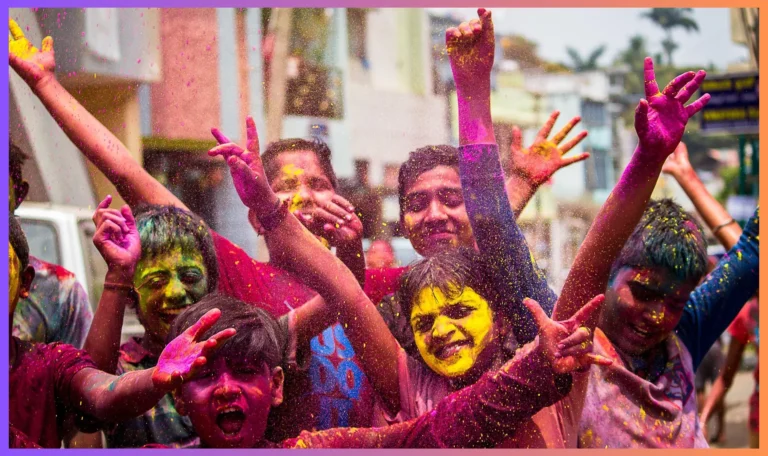
Indian harvest festivals in January mark the most joyful and culturally rich period in the country. As winter reaches its peak and crops are harvested, communities across India come together to thank nature, the Sun God, the Earth, and their ancestors. These Indian harvest festivals in January are not just agricultural celebrations but powerful reflections of India’s spiritual wisdom, seasonal rhythm, and regional diversity.
From colorful kite-filled skies to sacred fire rituals, from rice-based delicacies to sugarcane feasts, Indian harvest festivals in January unite farmers, families, and traditions that are centuries old. Every state celebrates the harvest differently, yet the underlying emotion remains the same: gratitude, abundance, and renewal.
This blog explores Indian harvest festivals in January in depth, including how different states celebrate, what people wear, the rituals performed, traditional foods prepared, and the history behind each festival.
Major Harvest Festivals in January
| Festival | State/Region | Key Rituals | Traditional Foods |
|---|---|---|---|
| Pongal | Tamil Nadu | Sun God worship, boiling of rice | Sakkarai Pongal (sweet rice) |
| Makar Sankranti | Pan-India | Kite flying, holy dips | Tilgul (sesame-jaggery sweets) |
| Lohri | Punjab | Bonfire, folk songs, dance | Gajak, rewri, popcorn |
| Bihu | Assam | Community feasts, dance | Pitha (rice cakes), fish curry |
Why Indian Harvest Festivals in January Are Spiritually Significant
Indian harvest festivals in January coincide with the Sun’s transition into Capricorn, marking the auspicious solar movement known as Uttarayan. This period is considered highly favorable for growth, prosperity, and spiritual progress.
| Aspect | Significance |
|---|---|
| Seasonal timing | End of winter and start of longer days |
| Agricultural meaning | Completion of major harvest |
| Spiritual belief | Gratitude to nature and divine forces |
| Social impact | Community bonding and cultural preservation |
Indian harvest festivals in January symbolize the balance between human effort and natural blessings.
Makar Sankranti: The Pan-Indian Harvest Festival
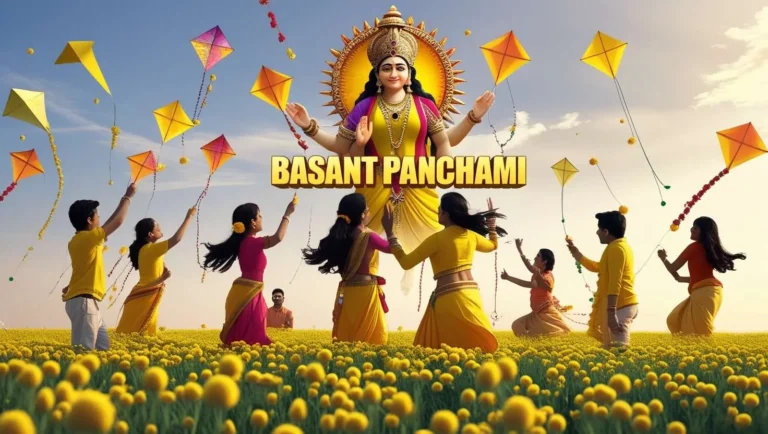
Makar Sankranti is the most widely celebrated Indian harvest festival in January. It is observed across almost every state, though under different names and traditions.
| Element | Details |
|---|---|
| Date | Always 14th or sometimes 15th January |
| Deity worshipped | Sun God |
| Key activity | Kite flying, charity, rituals |
| Symbolism | Transition, positivity, abundance |
During Makar Sankranti, people donate food (especially khichri – a mix of rice and dal), clothes, and sesame-based sweets to mark the spirit of giving. Indian harvest festivals in January like Makar Sankranti emphasize letting go of negativity and embracing warmth, both literally and spiritually.
Pongal: Tamil Nadu’s Four-Day Harvest Celebration
Pongal is one of the most elaborate Indian harvest festivals in January, celebrated with devotion and joy in Tamil Nadu.
| Day | Ritual Significance |
|---|---|
| Bhogi Pongal | Letting go of old habits |
| Thai Pongal | Cooking new rice and offering gratitude |
| Mattu Pongal | Honoring cattle |
| Kaanum Pongal | Social visits and bonding |
People decorate homes with kolam (rice powder rangoli), wear traditional silk attire, and prepare sweet pongal made of rice, jaggery, and milk. Indian harvest festivals in January like Pongal highlight harmony between humans, animals, and nature.
Lohri: Punjab’s Fire Festival of Abundance
Lohri is among the most vibrant Indian harvest festivals celebrated on 13th January, especially in Punjab and Haryana.
| Ritual | Meaning |
|---|---|
| Bonfire | Worship of fire |
| Offering peanuts and jaggery | Gratitude for harvest |
| Folk songs | Celebration of community |
Men and women dress in colorful phulkari outfits and bhangra attire. Newly weds and new borns first Lohri is celebrated with great pomp and is considered as very special. Lohri celebrates fertility, prosperity, and the agricultural spirit that defines Indian harvest festivals in January.
Uttarayan: Gujarat’s Kite Festival
In Gujarat, Indian harvest festivals in January take the form of Uttarayan, a grand kite festival.
| Feature | Description |
|---|---|
| Main activity | Kite flying |
| Traditional food | Undhiyu, jalebi |
| Cultural meaning | Joy, competition, freedom |
Uttarayan transforms the sky into a canvas of colors, making it one of the most visually captivating Indian harvest festivals in January.
Magh Bihu: Assam’s Festival of Food and Feasting
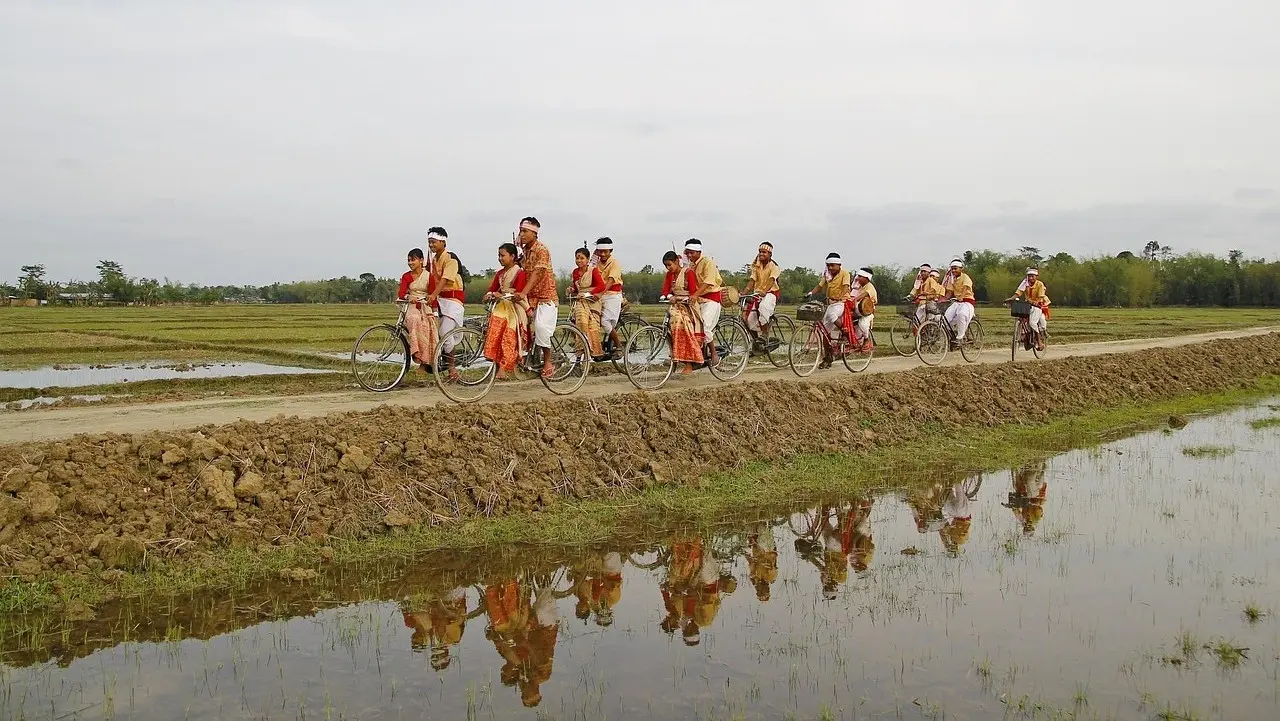
Magh Bihu represents the agricultural pride of Assam and is one of the most food-centric Indian harvest festivals in January.
| Tradition | Purpose |
|---|---|
| Community feasts | Sharing abundance |
| Meji bonfire | Thanksgiving ritual |
| Traditional huts | Symbol of harvest life |
Rice-based dishes dominate the celebrations, reinforcing the importance of grain in Indian harvest festivals in January.
Bhogali Bihu and Regional Names of Harvest Festivals
Indian harvest festivals in January are known by different names across states.
| State | Festival Name |
|---|---|
| Tamil Nadu | Pongal |
| Punjab | Lohri |
| Gujarat | Uttarayan |
| Assam | Magh Bihu |
| Karnataka | Suggi |
| Andhra Pradesh | Sankranti |
| Maharashtra | Makar Sankranti |
| Telangana | Pedda Panduga |
Despite name variations, Indian harvest festivals in January share common themes of gratitude, renewal, and celebration.
Traditional Clothing Worn During Indian Harvest Festivals in January
Clothing plays a major role in expressing cultural identity during Indian harvest festivals in January.
| Region | Traditional Attire |
|---|---|
| Tamil Nadu | Silk sarees and veshti |
| Punjab | Phulkari suits |
| Gujarat | Chaniya choli |
| Assam | Mekhela chador |
Bright colors symbolize joy and prosperity, reinforcing the celebratory mood of Indian harvest festivals in January.
Rituals Common Across Indian Harvest Festivals in January
Despite regional differences, many rituals remain consistent.
| Ritual | Purpose |
|---|---|
| Sun worship | Gratitude for life energy |
| Fire rituals | Purification |
| Community meals | Unity |
| Charity | Spiritual merit |
These rituals elevate Indian harvest festivals in January beyond mere celebration into sacred observances.
Traditional Foods Prepared During Indian Harvest Festivals in January
Food is central to Indian harvest festivals in January, representing nourishment and abundance.
| Festival | Special Foods |
|---|---|
| Pongal | Sweet pongal |
| Lohri | Rewari, popcorn, peanuts |
| Sankranti | Til-gud sweets |
| Magh Bihu | Rice cakes |
Sesame and jaggery dominate because they generate warmth during winter, making Indian harvest festivals in January seasonally aligned.
Historical Roots of Indian Harvest Festivals in January
Indian harvest festivals in January date back to ancient agrarian societies.
| Era | Importance |
|---|---|
| Vedic period | Solar worship |
| Medieval India | Community farming |
| Modern India | Cultural preservation |
These festivals helped synchronize agricultural cycles with cosmic movements, strengthening the relevance of Indian harvest festivals in January even today.
Why Indian Harvest Festivals in January Matter Today
In modern times, Indian harvest festivals in January serve as reminders of sustainable living, seasonal eating, and community bonding.
| Modern Benefit | Impact |
|---|---|
| Cultural awareness | Heritage preservation |
| Mental well-being | Social connection |
| Ecological respect | Sustainable practices |
Indian harvest festivals in January reconnect urban lifestyles with nature’s rhythm.
Bonus Cultural Insights About Indian Harvest Festivals in January
These layers add depth to Indian harvest festivals in January.
| Insight | Explanation |
|---|---|
| Kite flying | Symbol of rising aspirations |
| Bonfires | Community warmth |
| Rice rituals | Respect for food |
Frequently Asked Questions
1. What are Indian harvest festivals in January
Indian harvest festivals in January are regional celebrations marking the completion of crop harvest and gratitude to nature.
2. Why are most harvest festivals celebrated in January
January aligns with solar transition and agricultural cycles across India.
3. Is Makar Sankranti the same as Pongal
They share similar meanings but differ in rituals and regional customs.
4. What foods are common during Indian harvest festivals in January
Rice, jaggery, sesame, sugarcane, and lentils are commonly used.
Indian harvest festivals in January remind us that abundance grows where gratitude exists. If you enjoy learning about Indian traditions, spirituality, and seasonal wisdom, explore more cultural blogs on this platform and stay connected to India’s living heritage.
About the Author